
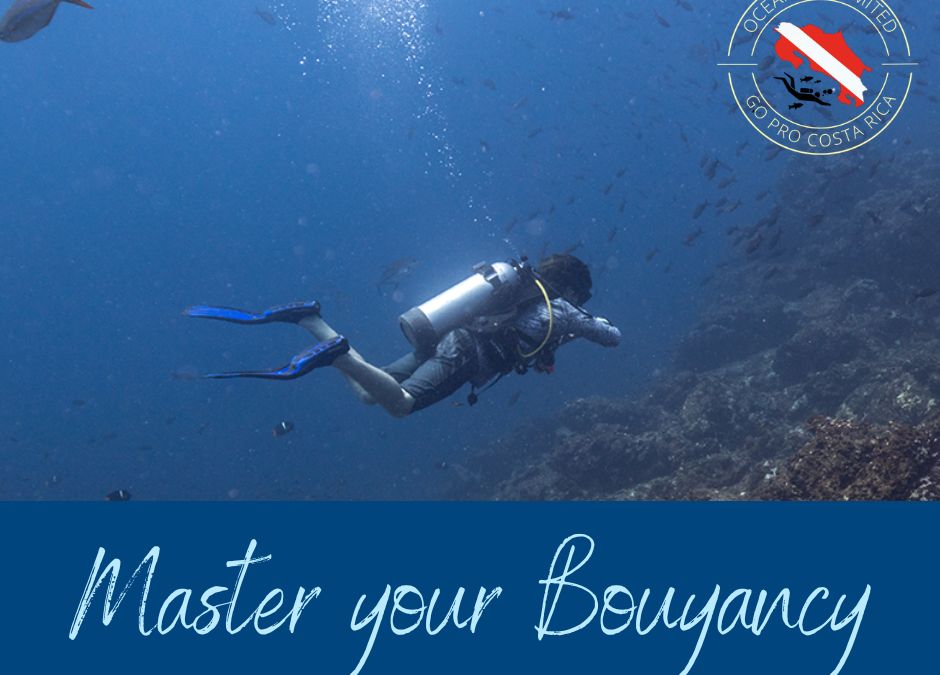
Mastering Buoyancy Control: The Key to Effortless Scuba Diving
Buoyancy control is one of the most essential skills any diver can master. It’s what separates a good diver from a great one. More than just floating up or sinking down, it’s about finding that perfect balance, allowing you to move smoothly through the water with minimal effort. By honing this skill, you’ll not only enjoy your dives more but also protect the fragile marine environment. Whether you’re just starting or looking to refine your techniques, understanding buoyancy control is crucial to becoming a confident, eco-friendly diver.
What is Buoyancy Control?
At its core, buoyancy refers to the ability to float, sink, or remain suspended in the water. Buoyancy control is the process of fine-tuning your body’s position so you can hover effortlessly at any depth. This skill allows you to conserve energy, reduce your air consumption, and maintain better control throughout the dive.
Good buoyancy control involves understanding how your equipment, body positioning, and breathing all play a role in your ability to control your movement in the water. Once mastered, it makes diving feel weightless and effortless.


Why Buoyancy Control is Important
Achieving buoyancy control offers more than just a smooth, enjoyable dive. It has practical, safety, and environmental benefits:
Energy conservation: Efficient buoyancy control helps you maintain a horizontal position in the water, reducing drag and conserving energy. This means you can dive longer with less fatigue.
Air consumption: Proper buoyancy reduces unnecessary movement, which in turn decreases your oxygen consumption. This leads to longer, more enjoyable dives.
Marine protection: With better control, you’ll avoid accidental contact with delicate marine life, such as coral reefs and other ecosystems, helping to preserve these environments.
Safety: Maintaining control of your buoyancy helps you avoid rapid ascents or descents, which can lead to pressure-related injuries like decompression sickness or lung over-expansion.
Mastering Buoyancy Control
Mastering buoyancy control takes practice, but by focusing on a few key areas, you can develop this skill over time.
1. Equipment Matters
Your diving gear plays a critical role in buoyancy. A properly fitted wetsuit, an appropriate amount of weight, and your BCD all contribute to your ability to maintain neutral buoyancy. Ensure your gear suits your body type and the environment in which you’re diving.
Your BCD is your primary tool for buoyancy control. By aAdding or releasing air from the BCD fine-tune your buoyancy to maintain the desired depth.
2. Breathing Techniques
Your breathing is another vital aspect of buoyancy control. When you inhale, your lungs expand, creating more positive buoyancy, causing you to rise slightly. When you exhale, your body sinks due to the reduced volume of air. Controlled, steady breathing is key to maintaining neutral buoyancy.
The Perfect Diving Breath: Mastering Diaphragmatic Breathing
One of the keys to mastering buoyancy control is learning to breathe from your diaphragm, rather than your chest. Diaphragmatic breathing allows you to take deeper, more efficient breaths, helping you fine-tune your buoyancy with precision.
Here’s how you can practice this technique: when you inhale, focus on pushing your stomach out, allowing your diaphragm to fully expand. This creates more space for your lungs to draw in as much air as possible. Don’t worry about how it looks—your focus should be on maximizing the efficiency of your breath. As you exhale, compress your stomach muscles to reduce your lung volume completely, slowly releasing the air until it feels like there’s nothing left to exhale.
Ideally, your inhalation should last about five to seven seconds, followed by a slow exhalation of at least seven seconds. This controlled breathing pattern creates a cycle of around 12 to 15 seconds, translating to about four to five breaths per minute. With practice, this slower, more deliberate breathing will help you maintain buoyancy and extend your dive time by conserving air more effectively.
3. Practice Body Positioning
Your posture and body positioning in the water affect your buoyancy as well. Maintaining a horizontal position (sometimes called “trim”) in the water helps reduce drag and improves buoyancy control. Divers who stay flat and streamlined glide more effortlessly, while those who stay in a vertical position may struggle with excess drag.
Tip: Use small adjustments in your fins and body to maintain your position rather than constantly relying on your BCD or weights.
4. The Art of Weighting
One of the most common buoyancy mistakes is over-weighting. Many new divers tend to carry too much weight, making it harder to maintain buoyancy and increasing the risk of sinking uncontrollably. On the other hand, being under-weighted can make it hard to descend.
To achieve neutral buoyancy, use a buoyancy check before every dive. With your BCD deflated, float at eye level while holding a normal breath. If you sink too fast, you may need to shed some weight, and if you stay too high, you may need a bit more.

The Role of Experience
Like any skill, buoyancy control improves with practice. With each dive, you’ll develop a better understanding of how your body, equipment, and environment interact. Pay attention to small details like how currents, depth, or even changes in your wetsuit’s thickness can affect your buoyancy. The more you dive, the more instinctive this control will become.
Consider taking a Peak Performance Buoyancy course to refine your skills further. Many dive schools, including ours, offer buoyancy-specific training to help divers of all levels gain more control underwater.
Buoyancy and Environmental Stewardship
Mastering buoyancy not only makes your dives more enjoyable but also plays a significant role in marine conservation. Poor buoyancy control can lead to accidental damage to coral reefs and other delicate ecosystems. Every time a diver unintentionally touches marine life, it can cause harm that takes years to heal.
As divers, we are stewards of the underwater world. By maintaining control of your buoyancy, you minimize the chances of damaging marine habitats, allowing them to thrive for generations to come.
Conclusion: Buoyancy Control for Every Diver
Mastering buoyancy control is a game-changer for divers at every level. It allows you to enjoy the underwater world more comfortably, extend your dive time, and become a better protector of marine life. Whether you’re just starting out or looking to refine your skills, focusing on buoyancy control will make every dive more enjoyable and eco-friendly.
So, the next time you’re in the water, pay attention to how your body, breathing, and gear all come together to keep you in perfect balance. Effortless, controlled movement is within your reach – it just takes practice!
Happy diving!